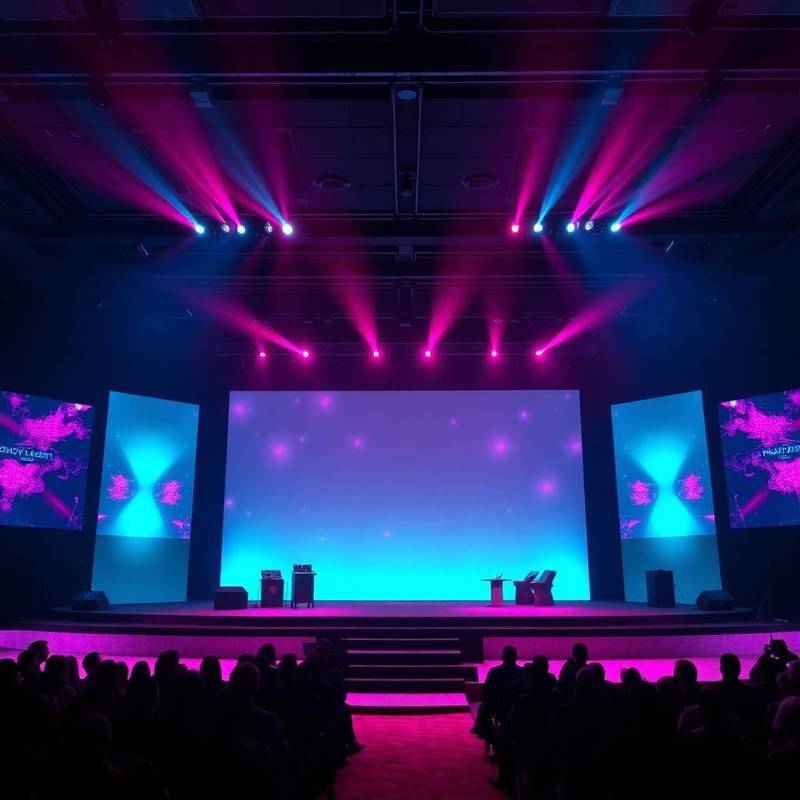
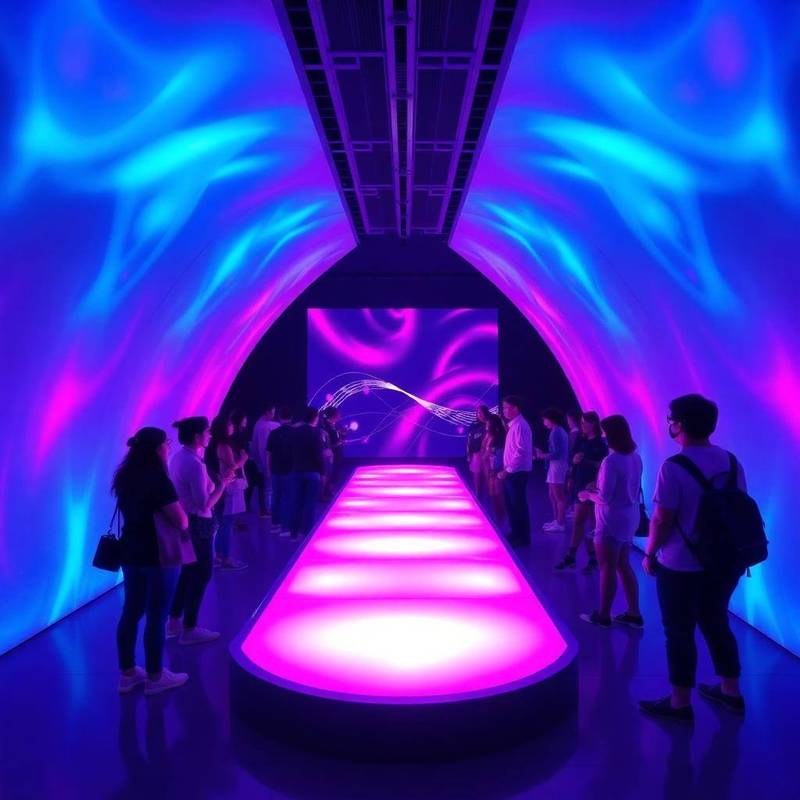
An activation is a promise made in physical space. The audience gives you five minutes; you give them a story they want to retell. If the experience isn't worth their attention, no gift bag will save it.
Design for the retelling
We start with the sentence a guest will say to a friend on the way home. If we can't write that sentence in advance, the concept isn't ready. Everything — scale, lighting, staff scripts, signage — is engineered to make that sentence true.
- A single hero moment, not five competing ones
- Staff briefed as hosts, not attendants
- A capture plan so every guest leaves with a shareable artefact
- A queue that is part of the experience, not the price of admission
The three-earns test
Every activation we ship has to earn three things — in this order. Earn the photo (is there a moment worth framing?). Earn the share (does the guest want their network to see it?). Earn the walk-in (would a stranger who saw the share want to come next time?). Miss any one and the activation is a decoration.
"The best activations don't ask for attention — they reward it."
What we cut
We cut anything that is 'nice to have'. Nice-to-haves compete with the hero moment for the guest's five minutes. Ruthless subtraction is the highest-leverage move in experience design.